
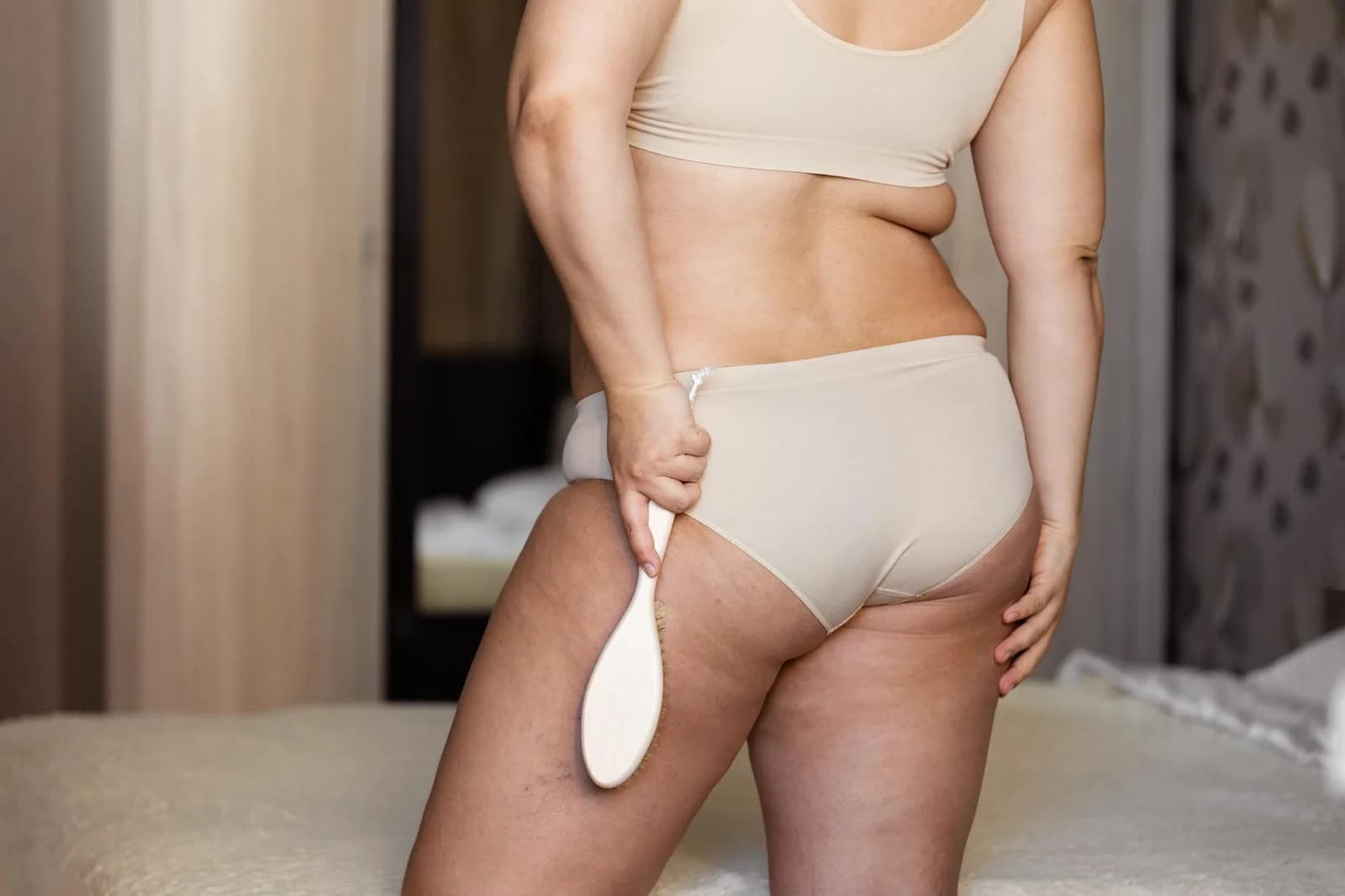
What to do when cellulite appears on the legs and not just the buttocks?
Cellulite doesn’t discriminate. Although it’s commonly associated with the buttocks, many people experience this cosmetic condition on their legs, where it can be visibly present on the thighs, knees, and even calves. This distribution can cause discomfort and affect confidence when wearing certain types of clothing or enjoying outdoor activities.
More and more people are seeking effective solutions for treating cellulite on their legs. Understanding why it appears in these areas and how to address it effectively is the first step to achieving the appearance you desire. At CSI, we offer personalized solutions for treating this condition, combining advanced technology with a holistic approach that addresses each patient’s specific needs.
Why is cellulite on the legs so common?
Cellulite occurs when subcutaneous fat tissue pushes against connective tissue, creating the uneven texture known as orange peel skin. In the legs, this condition can be particularly noticeable due to factors specific to this area of the body.
Fat distribution in the thighs and legs is influenced by hormonal factors, primarily estrogen, which promotes the accumulation of adipose tissue in these areas. Additionally, circulation in the lower extremities tends to be slower, contributing to fluid retention and the formation of fat nodules. Other factors that exacerbate its appearance include a sedentary lifestyle, a diet high in sodium and processed sugars, genetics, and hormonal changes related to pregnancy or menopause.
Differences between cellulite on buttocks and legs
Although they share the same formation mechanism, cellulite that appears on the legs has its own particularities. On the buttocks, it tends to concentrate in a more compact and raised area, while on the legs it can extend from the upper thighs to the knees, covering a larger surface area.
The texture also varies: on the legs it tends to be more diffuse and may be accompanied by skin laxity, especially on the inner thighs. This characteristic means that the therapeutic approach must consider not only the reduction of cellulite, but also the firmness and tone of the skin over a wider area.
Effective treatments to improve the appearance of the skin
Fortunately, there are non-invasive treatment options that have shown significant results in improving the appearance of affected skin. At our clinic, we have state-of-the-art technologies that allow us to treat this condition safely and effectively.
Available non-invasive technologies
Radiofrequency microneedling treatments, such as Morpheus8 , combine microneedles with radiofrequency energy to remodel deep dermal tissue, stimulate collagen production, and improve skin texture. This technology is especially effective for treating large areas like the legs, offering natural and long-lasting results.
Other options include shockwave therapy, which breaks down fat deposits and improves circulation, as well as laser therapies that work on the deeper layers of the skin to tighten and firm the tissue. Our body aesthetics team evaluates each case to recommend the most suitable combination based on each patient’s individual characteristics.
Complementary habits to enhance results
While professional treatments are essential, incorporating certain lifestyle changes can optimize and prolong the results. These habits work synergistically with medical therapies.
- Maintain adequate hydration by consuming at least two liters of water per day to promote the elimination of toxins.
- Incorporate regular exercise, especially activities that strengthen leg muscles such as walking, cycling, or resistance training.
- Follow a balanced diet, rich in fruits, vegetables and lean proteins, reducing the consumption of sodium and ultra-processed foods.
- Perform massages using lymphatic drainage techniques to improve circulation and reduce fluid retention.
- Avoid prolonged use of very tight clothing that hinders blood circulation in the legs.
These changes, although they may seem simple, have a considerable impact on skin health and on preventing the appearance of new cellulite.
When is it time to consult a specialist?
If you’ve noticed that the cellulite on your legs isn’t improving with general measures, or if it’s causing you emotional distress that affects your quality of life, it’s time to seek professional guidance. A specialized medical evaluation can identify the severity of your cellulite, assess your skin characteristics, and design a personalized treatment plan.
At our clinic , each patient receives individualized attention. We analyze their specific case, consider their expectations and goals, and recommend the most appropriate treatment options to achieve the best results safely and naturally.
If you want to regain confidence in the appearance of your buttocks and legs, learn about the available options. We invite you to take the first step: schedule a consultation with our team and discover how we can help you achieve your aesthetic goals in a professional and personalized way.